
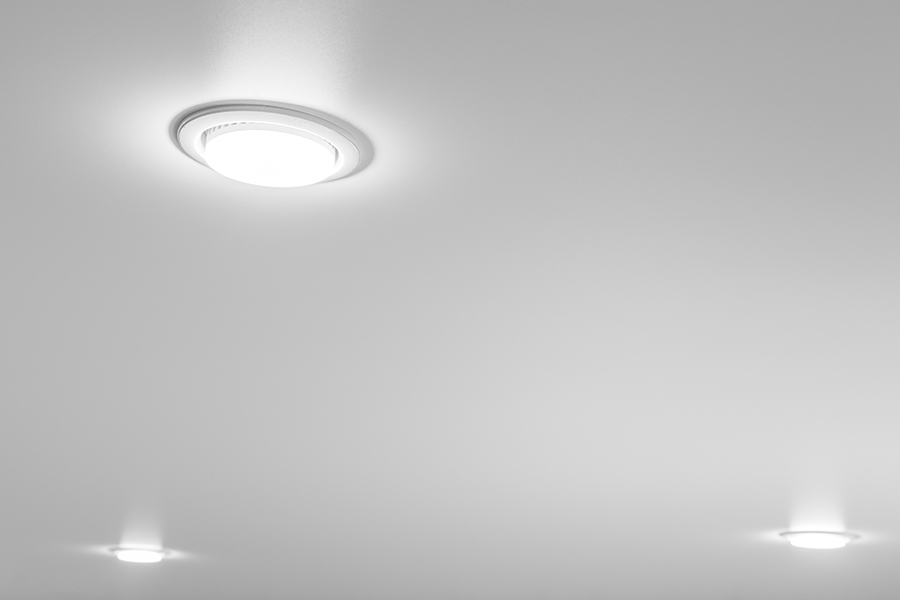
Imagine your home bathed in a warm, inviting glow while slashing your energy bills at the same time. Adopting energy-saving indoor lighting ideas can transform your living spaces and enhance everyday comfort in Raleigh’s unique climate. From selecting high-efficiency bulbs to maximizing natural daylight, these upgrades become even more effective when paired with professional indoor lighting installation in Raleigh, NC. Curious how a few smart changes can significantly improve your home’s energy efficiency? Let’s explore the top ten ideas together.
Switch to LED Bulbs
If you’re looking to cut down on energy costs while enhancing your indoor lighting, switching to LED bulbs is a smart move.
These energy-efficient bulbs consume up to 75% less energy than traditional incandescent bulbs, which means lower electricity bills for you. Plus, they last considerably longer—often up to 25,000 hours—so you won’t be replacing them frequently.
Installing LED bulbs is simple and can have a big impact on your home’s ambiance. They come in various color temperatures, allowing you to choose warm or cool lighting to suit your mood.
You’ll also find that LEDs generate less heat, making your space more comfortable, especially during warmer months. Additionally, many homeowners in Raleigh appreciate the energy efficiency of LED bulbs, further enhancing their indoor lighting experience.
Utilize Natural Light
- Maximize Window Space: Use sheer curtains or no window treatments at all to allow sunlight to flood in. Consider larger windows or skylights if you’re planning renovations.
- Choose Lighter Colors: Paint your walls and ceilings in light shades. This reflects more light, making your rooms feel brighter and more open.
- Reflective Surfaces: Incorporate mirrors and glossy furniture finishes to bounce light around the room. Position mirrors across from windows to amplify the effect. Additionally, optimizing your home for energy efficiency can enhance the benefits of natural light and further reduce your energy costs.
Install Dimmer Switches
Installing dimmer switches is one of the simplest yet most effective ways to enhance your indoor lighting while saving energy. With dimmers, you can easily adjust the light levels to suit your mood or activity, whether you’re hosting a dinner party or enjoying a quiet night in.
By reducing the brightness, you also decrease energy consumption, leading to lower electricity bills.
Moreover, dimmer switches extend the lifespan of your light bulbs by lessening the strain on them. You can choose from a variety of styles and types, including ones compatible with LED and CFL bulbs, ensuring flexibility in your lighting design.
Installation is straightforward, whether you choose to handle it yourself or rely on a professional for added assurance. Routine lighting maintenance and bulb upgrades can further improve your home’s efficiency and overall comfort.
Once in place, you’ll enjoy the added ambiance and energy savings that come from having control over your indoor lighting.
Use Smart Lighting Systems
As you look to modernize your home, consider using smart lighting systems to enhance both convenience and energy efficiency.
These systems allow you to control your lights with ease, whether through a smartphone app or voice commands.
Here are three ways smart lighting can benefit your home:
- Schedule Lighting: Set your lights to turn on and off at specific times, ensuring you never waste energy when you’re not home.
- Remote Access: Control your lights from anywhere, so you can adjust settings even when you’re away, giving the illusion that someone’s home.
- Energy Monitoring: Some smart systems track your energy usage, helping you identify areas for savings and reduce your overall consumption. Additionally, implementing energy-efficient lighting options can further enhance your home’s sustainability.
Incorporate Task Lighting
When you incorporate task lighting, you’re focusing on specific areas where you need extra illumination for activities like reading or cooking.
Choosing the right fixtures and optimizing their placement can make a big difference in both functionality and energy savings.
Let’s explore how to implement task lighting in your home effectively.
Define Task Lighting Purpose
Task lighting serves an essential role in enhancing your workspace by providing focused illumination where it’s needed most.
It helps reduce eye strain and increases productivity, making it easier for you to complete tasks efficiently. Incorporating task lighting into your home can transform how you work and relax.
Here are three key purposes of task lighting:
- Precision: Direct light helps you see details clearly, whether you’re reading, writing, or working on a hobby.
- Flexibility: Adjustable fixtures allow you to customize lighting based on your activity and personal preference.
- Ambiance: Task lighting can create a warm, inviting atmosphere, contributing to your overall comfort in the space.
Harnessing the power of task lighting can elevate your home’s functionality and style.
Choose Appropriate Fixtures
Selecting the right fixtures is key to maximizing the benefits of task lighting in your home.
You’ll want to choose fixtures that provide focused illumination for specific activities like reading, cooking, or working. Consider adjustable options, such as swing-arm lamps or pendant lights, which allow you to direct light exactly where you need it.
LED bulbs are a smart choice, as they’re energy-efficient and long-lasting. Also, don’t overlook the style—your fixtures should complement your home’s decor while serving a practical purpose.
Finally, think about color temperature; warm white light creates a cozy atmosphere, while cool white light enhances concentration.
With the right fixtures, you’ll enhance both functionality and ambiance in your space.
Optimize Light Placement
Contemplating where to place your fixtures is essential to creating an effective lighting scheme. Incorporating task lighting can greatly enhance your home’s functionality and energy efficiency.
Here are three tips to optimize light placement:
- Direct Light to Work Areas: Position lamps or fixtures over desks, countertops, and reading nooks to provide focused illumination exactly where it’s needed.
- Layer Your Lighting: Combine ambient, task, and accent lighting to create a balanced atmosphere, reducing the need for brighter, energy-consuming fixtures.
- Consider Height and Angle: Adjust the height and angle of your lights to minimize glare and maximize effectiveness, ensuring you’re not straining your eyes while working or relaxing.
Opt for Solar-Powered Lights
As you consider ways to illuminate your indoor spaces efficiently, opting for solar-powered lights can be a smart choice. These lights harness energy from the sun, reducing your reliance on traditional electricity sources.
While they’re often associated with outdoor use, many innovative solar options are suitable for indoor settings too.
Installing solar-powered lights inside your home can lead to significant energy savings, especially if you have sunlit areas throughout the day. Look for solar lights that recharge during daylight and feature stylish designs to match your decor.
You’ll not only save on energy bills but also contribute to a greener environment. Plus, with advancements in technology, these lights now come with enhanced brightness and longer-lasting batteries.
Choose Energy-Efficient Fixtures
Choosing energy-efficient fixtures can dramatically reduce your electricity consumption while enhancing the ambiance of your indoor spaces.
By selecting the right lighting, you not only save money but also contribute to a greener environment. Here are three options to contemplate:
- LED Bulbs: They use up to 75% less energy than traditional incandescent bulbs and last considerably longer, making them a smart investment for any room.
- Compact Fluorescent Lamps (CFLs): These bulbs consume about 70% less energy than incandescent ones and are available in various shapes and sizes, perfect for any fixture.
- Smart Lighting: Control your lights with your smartphone or voice-activated devices.
Smart bulbs can adjust brightness and color, allowing you to create the perfect atmosphere while saving energy.
Implement Motion Sensors
Implementing motion sensors is a smart way to enhance your indoor lighting while boosting energy efficiency.
These sensors automatically control your lighting, ensuring lights only stay on when you’re in the room.
Automatic Lighting Control
Integrating motion sensors for automatic lighting control is a smart choice when you want to enhance energy efficiency in your home.
These devices help reduce energy waste while providing seamless convenience. Here are three reasons to contemplate motion sensors:
- Energy Savings: Lights turn off automatically when no one is present, considerably lowering your electricity bills.
- Enhanced Security: Motion-activated lights can deter intruders by illuminating your property when movement is detected.
- Convenience: You won’t have to fumble for switches in the dark; sensors activate lights as you enter a room.
Energy Efficiency Boost
Integrating motion sensors enhances convenience and greatly boosts energy efficiency in your home.
By automatically turning lights on and off as you enter or leave a room, these devices minimize wasted energy. You won’t have to worry about leaving lights on when you step away, which can lead to significant savings on your electricity bill.
Plus, motion sensors can be programmed to work with various lighting options, including LED bulbs, which are already energy-efficient.
Installing them in high-traffic areas, such as hallways and bathrooms, guarantees you’ll always have light when you need it, while reducing your overall energy consumption.
Embrace this smart technology and enjoy a more efficient, eco-friendly home environment.
Layer Your Lighting
Layering your lighting is key to creating a warm and inviting atmosphere in your home while maximizing energy efficiency.
This technique combines different types of lighting to enhance both aesthetics and functionality.
Here’s how to effectively layer your lighting:
- Ambient Lighting: To illuminate the entire space, start with general lighting.
Use energy-efficient LED ceiling fixtures or recessed lights to provide a base level of brightness.
- Task Lighting: Add focused lighting for specific activities.
Consider using desk lamps or under-cabinet lights in the kitchen for better visibility while reading or cooking.
- Accent Lighting: Incorporate accent lights to highlight artwork or architectural features.
Wall sconces or spotlights can create visual interest and depth in your rooms.
Regularly Maintain Your Lighting Systems
To keep your lighting systems efficient, schedule routine inspections to catch any issues early.
Don’t forget to replace old bulbs with energy-efficient options and clean fixtures regularly to maximize brightness.
Staying on top of these maintenance tasks can greatly reduce your energy consumption.
Schedule Routine Inspections
While you mightn’t think about your lighting systems often, scheduling routine inspections is essential for maintaining their efficiency and longevity.
Regular check-ups can help identify potential issues before they become costly problems. Here are three key benefits of routine inspections:
- Enhanced Safety: Inspections can reveal wiring issues or faulty fixtures that pose safety hazards.
- Improved Efficiency: A professional can optimize your lighting setup, ensuring you get the most out of your energy usage.
- Extended Lifespan: Regular maintenance helps your lighting systems last longer, saving you money on replacements.
Replace Old Bulbs
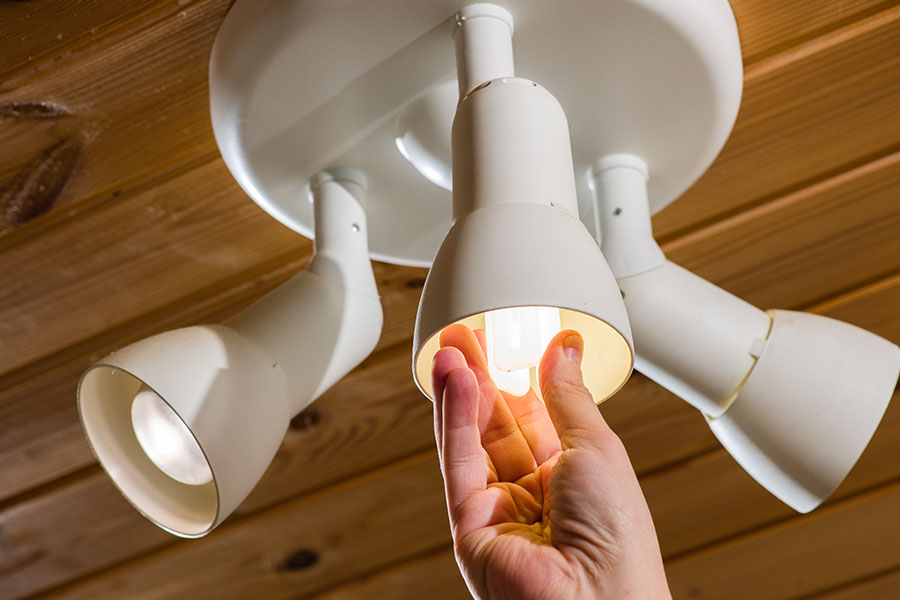
Replacing old bulbs is one of the simplest yet most effective ways to enhance your indoor lighting efficiency. If you’re still using incandescent bulbs, it’s time to switch to energy-efficient options like LED or CFL bulbs.
These modern alternatives use considerably less energy and last much longer, saving you money on your electric bill and reducing the frequency of replacements. Plus, they come in various shapes and color temperatures, allowing you to customize your home’s ambiance.
Regularly check your bulbs, and when you notice any flickering or dimming, replace them promptly. This small step can greatly improve your home’s lighting quality while contributing to a more sustainable lifestyle.
Embrace the change and enjoy the benefits of energy-efficient lighting today!
Clean Fixtures Regularly
Regularly cleaning your lighting fixtures can greatly enhance their brightness and efficiency. Dust and grime can accumulate, reducing the output of your bulbs and wasting energy.
By keeping your fixtures clean, you’ll not only improve illumination but also extend their lifespan. Here are three easy steps to maintain your fixtures:
- Dust Regularly: Use a microfiber cloth or duster to remove dust and cobwebs from fixtures at least once a month.
- Wipe Down Surfaces: For more thorough cleaning, dampen a cloth with a mild cleaner and gently wipe the surfaces of your fixtures.
- Check Bulbs: While cleaning, inspect bulbs for any signs of wear or damage, and replace them as needed.
Following these steps will help keep your lighting systems efficient and effective!
Conclusion
By adopting these energy-saving indoor lighting ideas, you can transform your Raleigh home into a brighter, more efficient space. Imagine slashing your electricity bill while enjoying the perfect ambiance for every occasion. What if these simple changes could also bring unexpected benefits, like a cozier atmosphere or even added home value? Do not wait to discover the full potential of your lighting. Take the first step today. If you are also interested in improving curb appeal and outdoor safety, consider professional outdoor lighting installation in Raleigh, NC to enhance your home inside and out.