
Durham homeowners have good reason to pay close attention to their electrical systems. Many of the city’s most desirable neighborhoods, including Northgate Park, Old North Durham, and the streets around Burch Avenue, are home to properties built decades before modern electrical loads were anticipated. Add the Triangle’s heat and humidity, and you have conditions where aging systems are routinely pushed hard. Recognizing the signs that your system needs professional attention is one of the more practical things you can do as a Durham homeowner.
What Flickering Lights Indicate
Flickering lights are easy to dismiss, but they’re rarely trivial. When a single fixture flickers consistently, the problem is usually localized: a loose connection at the fixture, a failing bulb, or a faulty switch. When flickering is widespread or tied to specific appliances running, it’s a sign of something more systemic.
Loose wiring connections are a common cause, particularly in older homes where connections at junction boxes or panels have experienced years of thermal expansion and contraction. An overloaded circuit, especially one that wasn’t designed for the number of devices now drawing from it, is another frequent culprit. In either case, the flicker is a warning that the system is under stress.
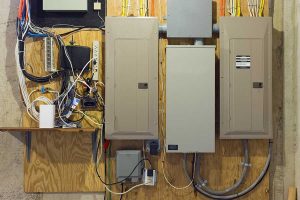
Professional electrical panel repair and replacement is often the right solution when flickering is tied to circuit capacity issues. An upgraded panel sized for today’s electrical demands eliminates the load stress that drives many of these problems.
Are Frequent Circuit Breaker Trips a Sign of Trouble?
A breaker tripping occasionally is normal. That’s what breakers are designed to do when a circuit is temporarily overloaded. A breaker tripping regularly, however, tells a different story.
Repeated trips on the same circuit can indicate a persistent overload, too many high-draw devices sharing the same circuit. They can also indicate a short circuit somewhere in the wiring, or a breaker that has weakened with age and is no longer accurately rated to its specifications. In older Durham homes, outdated breakers that can’t handle modern loads are a common finding.
Ignoring frequent trips doesn’t make the underlying condition go away. It allows it to worsen. The heat generated by an overloaded or faulted circuit is one of the primary drivers of residential electrical fires. If you’re resetting the same breaker more than once or twice a year, it’s worth having a professional evaluate what’s causing it.
When to Call About Burning Smells or Sparks
Burning smells and sparks are not problems to monitor over time. They indicate active hazards that require immediate attention.
A burning plastic smell near outlets, appliances, or the panel suggests insulation is overheating or melting, meaning wiring inside the wall or panel is at dangerous temperatures. Visible sparks when connecting or disconnecting devices point to faulty outlet connections or internal arcing. Discoloration or scorch marks on outlet covers or switch plates are evidence that heat damage has already occurred.
Other warning signs in this category include warm or hot outlet covers, flickering lights accompanied by unusual odors, and any smell that resembles electrical burning. When these signs appear, turn off the affected circuit at the breaker and call a licensed electrician. Professionally planned indoor lighting installation and wiring upgrades eliminate many of the fault conditions that create these hazards in aging homes.
The Risks of Outdated Electrical Systems
Outdated electrical systems in Durham homes carry risks that go beyond inconvenience. Older wiring, including knob-and-tube or early aluminum wiring, wasn’t designed for the number of circuits or the load demands of modern households. As these systems age, insulation deteriorates, connections loosen, and the risk of overheating increases.
Outdated panels, particularly certain Federal Pacific and Zinsco brands, have well-documented reliability issues. An undersized panel forces circuits to carry loads they weren’t rated for, which contributes to heat buildup and fire risk over time.
Energy efficiency also suffers. Older systems waste energy that modern wiring and panel configurations handle much more effectively. For homeowners considering upgrades like EV charger installation, an updated electrical system is a prerequisite that makes the rest of the home’s energy strategy possible.
Troubleshooting Tips for Unresponsive Outlets
When an outlet stops working, there are a few things worth checking before calling for service. Start at the breaker panel. A tripped breaker is the most common cause of a dead outlet and the easiest fix. If the breaker is fine, check whether the outlet is a GFCI type. GFCI outlets are required in kitchens, bathrooms, garages, and outdoor locations by code. They have their own internal reset function, and a tripped GFCI will cause any outlet downstream on the same circuit to stop working too.
Test the outlet with a different device to confirm the outlet is actually the problem rather than the device you were using. Inspect the outlet for visible damage, discoloration, or a slightly loose fit when you insert a plug. Any of those are signs of wear.
If these checks don’t identify the problem, or if the outlet feels warm to the touch at any point, stop troubleshooting independently and call a licensed electrician. Well-placed outdoor lighting and all interior wiring should be served by properly functioning circuits. The entire system works together.
Protecting Your Home Starts With Recognizing the Signs
Durham’s electrical landscape is as varied as its neighborhoods, from properly maintained systems in newer construction to decades-old wiring that was last touched in the 1970s. Staying alert to the warning signs described above, acting on them promptly, and working with a licensed professional are the most reliable way to keep your home safe and your electrical system functional.
Contact our team today when you notice any of these warning signs. Early action makes all the difference.